Abu Dhabi talks spotlight Western missteps in Ukraine
TEHRAN — The first trilateral engagement between the United States, Ukraine and Russia since the outbreak of the 2022 conflict is taking place in Abu Dhabi at a moment when Western governments are reassessing the trajectory of a war that has become strategically, economically and politically burdensome. In whatever direction these discussions develop, their very initiation reflects a deeper reality: The US and Europe are seeking to unwind a crisis that their own longstanding policies helped set in motion and then prolong.
For years before the conflict, the US and Europe pursued a security strategy in Eastern Europe that treated Ukraine as an extension of their geopolitical agenda. NATO’s incremental expansion, repeated signals about eventual Ukrainian membership, and the steady militarization of the region were presented as stabilizing measures. Yet Western policymakers consistently dismissed warnings — including from their own diplomats — that this approach would heighten tensions and create a structurally unstable environment. The result was a security architecture that steadily narrowed the space for compromise.
When the conflict erupted, Western capitals had opportunities to explore diplomatic offramps. In the early weeks of the war, negotiations in Belarus and later in Istanbul produced outlines of potential agreements, including security guarantees and neutrality frameworks. These efforts did not collapse because diplomacy was impossible; they faltered because Western governments were unwilling to support a settlement that did not align with their broader strategic objectives. Instead of encouraging compromise, the US and Europe shifted toward a policy of open-ended military support, framing the conflict as a struggle that had to be won rather than resolved.
This approach entrenched positions in both Kyiv and Moscow and ensured that the war evolved into a prolonged, attritional confrontation whose costs have fallen overwhelmingly on Ukraine. Western leaders insisted that time was on their side, but the war’s duration and intensity have revealed the limits of that assumption. The early diplomatic possibilities — imperfect but real — were sidelined in favor of a strategy that prioritized geopolitical leverage over immediate de-escalation.
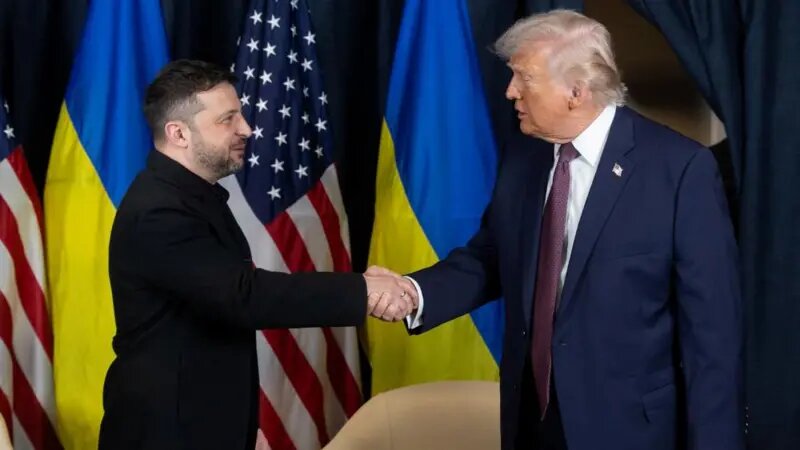
Now, with political fatigue deepening in Europe and shifting priorities in Washington, the urgency to find a negotiated exit has become unmistakable. The US has dispatched envoys such as Steve Witkoff and Jared Kushner to engage in shuttle diplomacy between Kyiv and Moscow, signaling Washington’s desire to take direct control of the process. President Donald Trump has openly urged both sides to reach a settlement, describing continued fighting as unnecessary. European leaders, meanwhile, have been criticized by President Volodymyr Zelenskyy for their passivity and lack of strategic initiative, highlighting a continent that has struggled to define its own role in the conflict.
The Abu Dhabi talks — whatever their outcome — are a belated acknowledgment of Western responsibility. The same governments that helped create the conditions for conflict, and then sustained it through inflexible policies and missed diplomatic opportunities, are now attempting to engineer a settlement that protects their own interests while managing the consequences of earlier miscalculations. Whether these discussions advance or stall, one fact remains: the West is not a distant observer. It is a central actor in a crisis shaped by its own strategic choices, now working to contain the fallout.
Leave a Comment